
Most employers know they need first aiders. Fewer think about who their people would turn to if a colleague was struggling with their mental health. Both are part of looking after your team, and training for both makes your workplace safer, calmer and more confident when something goes wrong.
Short answer: Employers must provide adequate first aid and also protect their people’s health and wellbeing, including the risk of work-related stress. First aid training prepares your team for sudden physical emergencies. Mental health training helps them spot early signs that someone is struggling and point them to support.
Two sides of the same duty of care
Employers have a legal duty to provide adequate and appropriate first aid, and a wider duty to protect the health and wellbeing of the people who work for them. That includes assessing and managing the risk of work-related stress. Physical injuries tend to be sudden and visible. Mental ill health is often gradual and easy to miss. A well-prepared workplace is ready for both.
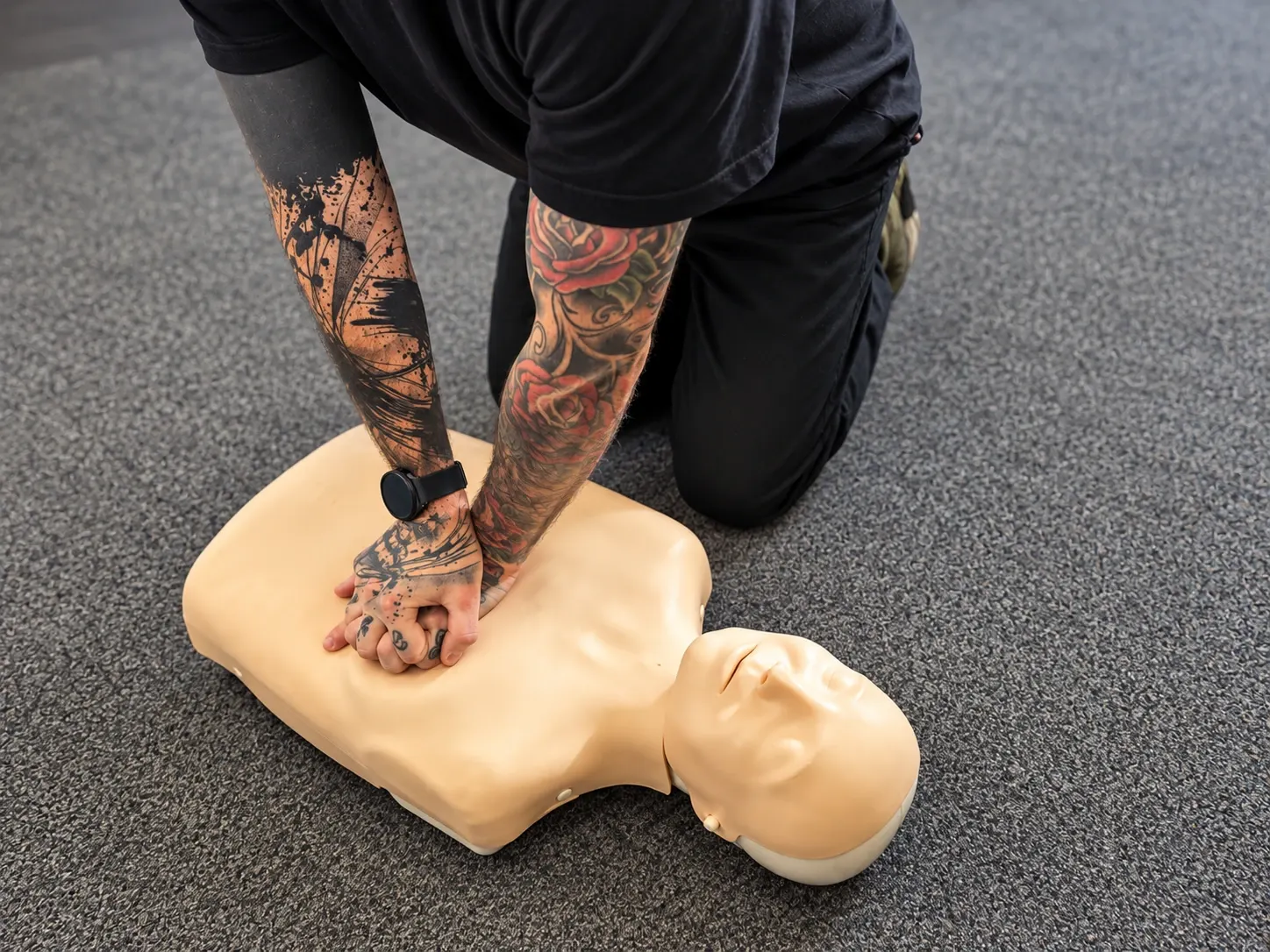
What first aid training gives you
- People who can act quickly in an emergency, from a minor injury to CPR, until professional help arrives
- Confidence across the team that someone nearby knows what to do
- Evidence that you are meeting your first aid responsibilities
If you are not sure which course you need, our guide to EFAW and FAW explains the difference. You can also read about our Emergency First Aid at Work and First Aid at Work courses.
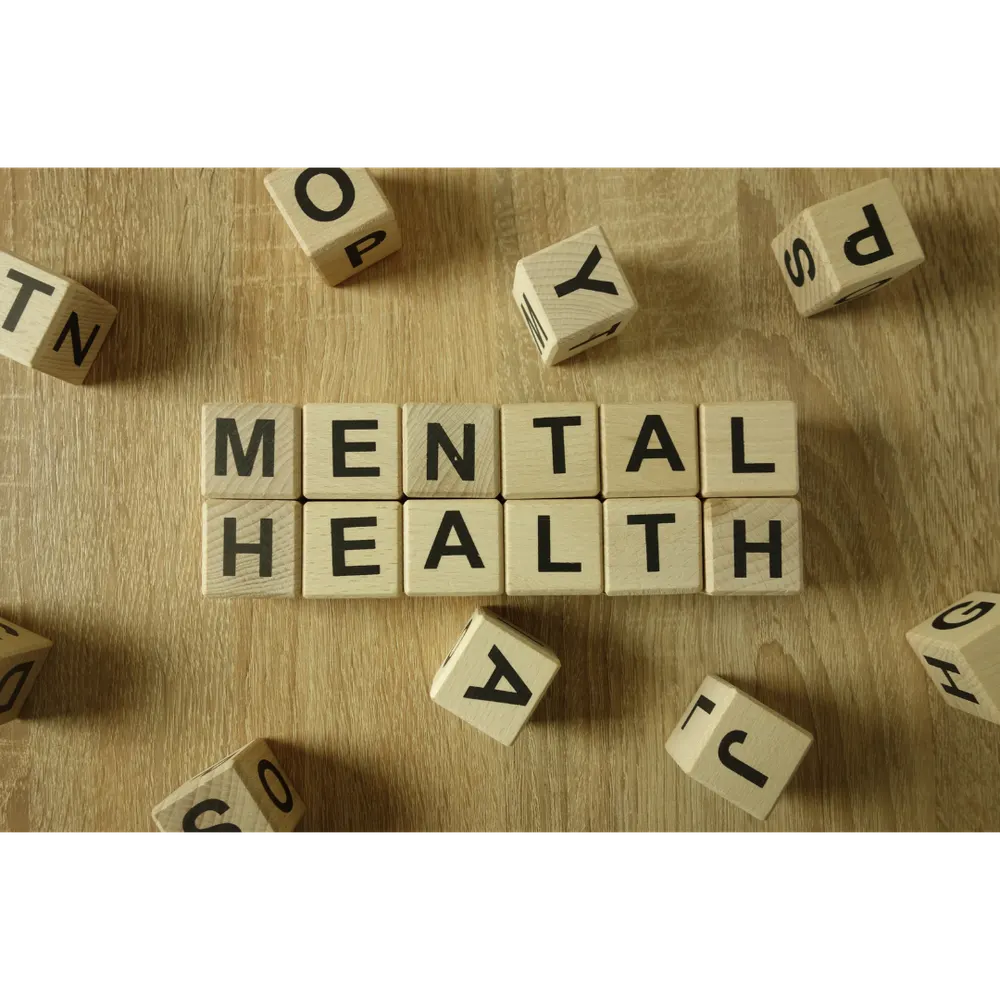
What mental health training gives you
- Managers and colleagues who can spot early signs that someone is struggling
- The confidence to start a supportive conversation and know where to signpost people
- A culture where people feel able to speak up, which helps with absence, morale and retention
Mental health training is not about turning your staff into therapists. It is about awareness, early support and knowing when and how to point someone towards professional help.
Why they work best together
A serious incident at work, such as a collapse or a bad injury, can be distressing for the people who witness it and the first aider who responds. Equally, someone who is under severe strain may find it harder to concentrate, which can raise the risk of mistakes at work. Looking after the physical and the mental side together gives you a more resilient team and a clearer plan for when things go wrong.
Where to start
- Review your first aid needs, including how many people you employ and what risks your work involves
- Think about who in your business people would go to for support, and whether they have had any training
- Choose training that fits your workplace, and book it in before you need it
Talk to us
Every workplace is different, and this article is general guidance rather than legal advice. If you would like to train your team in first aid, mental health, or both, send us an enquiry and tell us about your workplace. We will recommend the right courses and dates.
Written by Graham Hepburn and Rachel Hawkins, FAIB-registered trainers at H2H Training. Last reviewed October 2026. Graham on LinkedIn Rachel on LinkedIn