
Benedict’s Law: allergy training for schools
From 1 September 2026, schools in England must train every pupil-facing member of staff in allergy awareness, every year. We deliver that training at your school in 75 minutes, for up to 30 staff in one session.
What is Benedict’s Law?
Short answer: Benedict’s Law is the name for the Department for Education’s statutory guidance Allergy safety in schools, which applies from 1 September 2026. Schools need a published allergy safety policy, spare adrenaline auto-injectors and annual allergy training for all pupil-facing staff. First aid training alone does not meet the training requirement.
Benedict’s Law is named after Benedict Blythe, a five-year-old pupil who died after an allergic reaction at school. His family campaigned for every school to be ready for an allergic emergency.
The Department for Education published its statutory guidance, Allergy safety in schools, in July 2026. It applies to maintained schools, special schools, pupil referral units and academies in England from 1 September 2026. Governing bodies and academy trusts must have regard to it, and inspectors will look at allergy arrangements as part of safeguarding.
What schools need to do
- Publish an allergy safety policy on the school website, separate from the medical conditions policy, and review it at least once a year and after any incident or near miss.
- Train staff every year: all staff in pupil-facing roles, including lunchtime supervisors, catering, office and site staff.
- Keep spare adrenaline auto-injectors in pairs, at the right doses for your pupils, somewhere central that staff can reach quickly.
- Use individual healthcare plans for pupils with allergies, and plan for school trips and activities.
- Name an allergy lead to oversee the policy day to day.
What the training has to cover
The guidance says first aid training on its own is not enough. Allergy training should help staff to:
- Find a pupil’s allergy information and triggers
- Recognise anaphylaxis
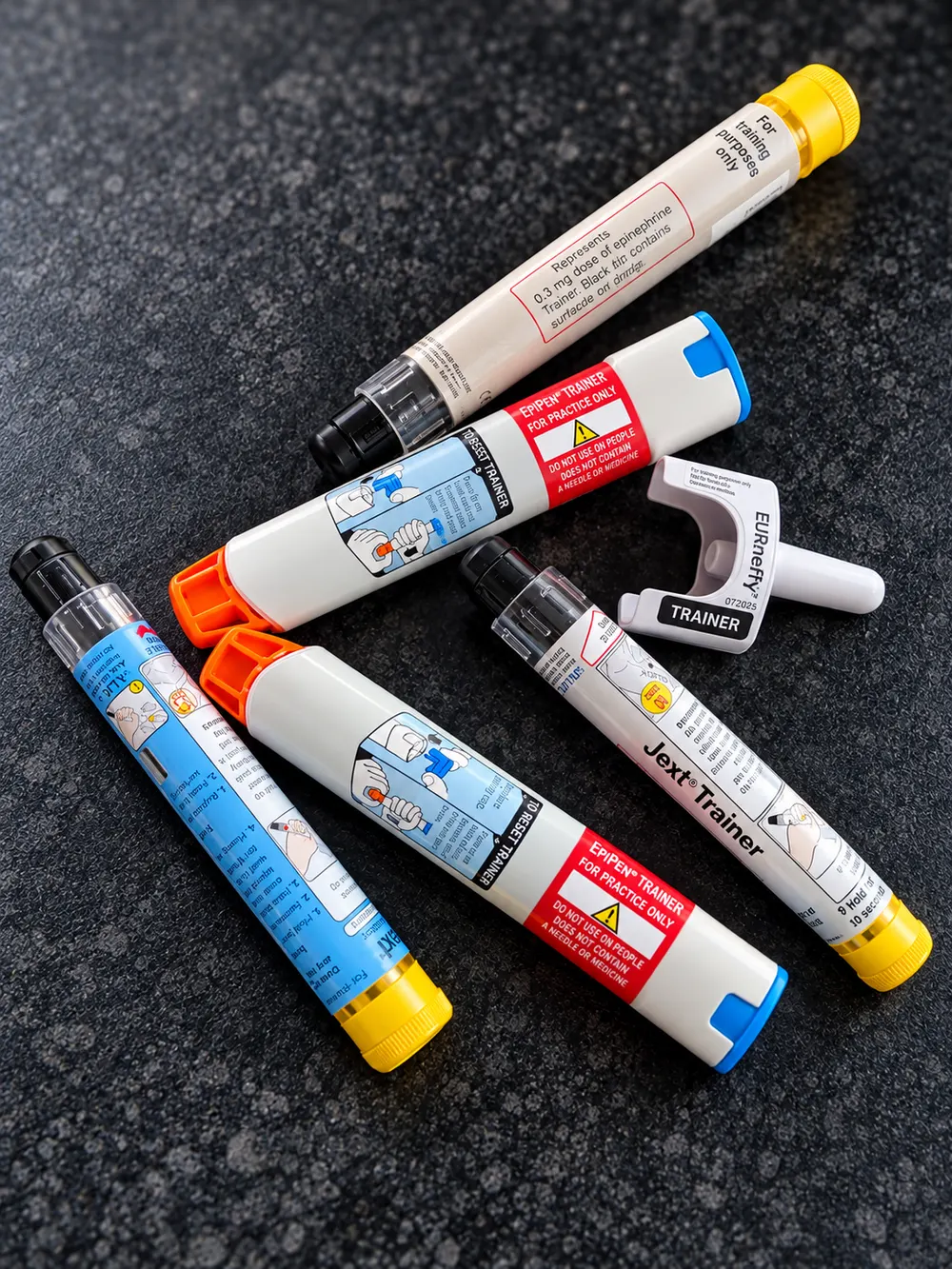
- Respond in an emergency, including using an auto-injector
- Understand how allergies affect a pupil’s wellbeing
How our course meets it
Our FAIB-accredited Allergy Awareness & Emergency Response course was written for schools and covers Benedict’s Law and the statutory guidance.
Common questions
Benedict’s Law is the name for the Department for Education’s statutory guidance Allergy safety in schools, which applies from 1 September 2026. Schools need a published allergy safety policy, spare adrenaline auto-injectors and annual allergy training for all pupil-facing staff.
Not yet. The September 2026 guidance covers maintained schools, special schools, pupil referral units and academies. The government plans similar standards for independent schools in 2027, and many are training now.
At least once a year. Our certificate lasts one year, so a yearly session keeps the whole team up to date.
No. The guidance says first aid training alone is not enough. Staff need allergy-specific training too.
Everyone in a pupil-facing role: teachers, teaching assistants, lunchtime supervisors, catering staff, office and site staff, and school leaders.
Yes. Up to 30 staff per session, and we can run back-to-back sessions on the same day.
Other training for school staff
Ready to train your team?
Tell us which course you need, how many delegates and your preferred dates. We reply within one working day with availability and a tailored quote.