Someone gets burned, so what do you do?
Short answer: Cool the burn under cool or lukewarm running water for 20 minutes, take off anything near it (unless it’s stuck), cover it loosely with cling film, and get medical help if it’s big, deep, or on the face, hands, feet or genitals.
Simple. Remembering it while someone is yelping in your kitchen is the hard part.
With fireworks and bonfires on the way, I thought it was worth walking through each step properly, so you know not just what to do but why.
What to do if someone gets burned
Here are the four steps, in order:
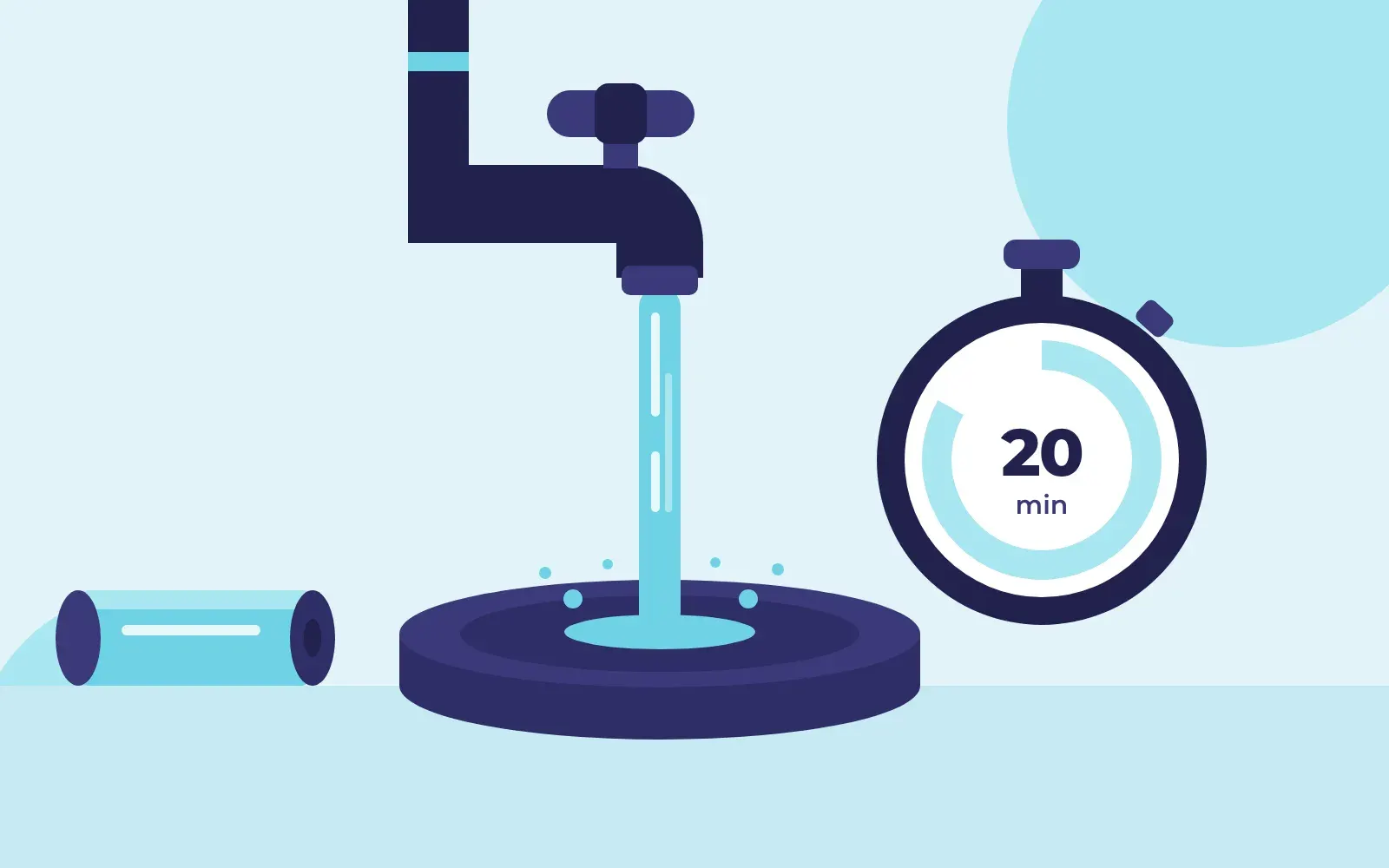
- Cool the burn under cool or lukewarm running water for 20 minutes.
- Take off anything near it, like rings, watches or bracelets, unless it’s stuck to the skin.
- Cover it loosely with cling film.
- Don’t use ice, creams or butter.
Cooling matters because it draws heat out of the skin and eases the pain. Taking off jewellery matters because the area can swell. Covering the burn protects it from germs and keeps the air off it.
Twenty minutes sounds quick until you’re standing at the sink doing it. I genuinely need a timer, because my sense of time turns to treacle (and I teach this stuff for a living...).
How long should you cool a burn under running water?
The guidance is 20 minutes under cool or lukewarm running water. Starting early is what counts, so don’t waste time hunting for the perfect setup. Get the burn under water first.
A few practical tips:
- Set a timer on your phone so nobody has to guess.
- Get the person sitting comfortably. Cooling for 20 minutes while standing awkwardly is no fun, and people can feel faint after an injury.
- No tap nearby? Use a shower head, or pour clean water from a clean container.
- Avoid very cold water and ice. They can do more harm than good.
- Keep the rest of the person warm, with a blanket or coat, so they don’t get chilled while the burn is cooling.
If the 20 minutes gets interrupted (the water stops, you have to move them), carry on cooling as soon as you can.
What not to put on a burn
Don’t use ice, creams, butter or other home remedies. They can trap heat in the skin, make the burn harder to assess, and can increase the risk of infection. Ice can damage the skin further.
I’ll admit that somewhere in my head there’s a gran’s kitchen remedy waiting to jump out and be wrong. Butter, apparently, was a thing. Obviously, I’m not taking medical advice from the biscuit tin...
Also:
- Don’t burst blisters. They’re protecting the skin underneath.
- Don’t peel off anything that’s stuck to the burn.
- Do remove clothing or jewellery near the burn before swelling starts, but if it’s stuck to the skin, leave it alone.
How to cover a burn with cling film
Cling film is clean, doesn’t stick to the burn, and lets a healthcare professional see the area without removing it. Lay it loosely over the burn. Don’t wrap it tightly around an arm or leg, as the area may swell.
A handy tip: throw away the first couple of turns from the roll, as they may have been touched, then lay the film lengthways over the burn.
Keep an eye on the person and the burn afterwards, and watch for anything that worries you.
When to get medical help for a burn
Please get medical help if:
- the burn is big or deep
- the burn is on the face, hands, feet or genitals
- the burn goes all the way around a limb (sometimes called a circumferential burn)
- the burn was caused by chemicals or electricity
- the person is a baby, a young child or an older person
- the person seems unwell or shows signs of shock, such as looking pale, clammy or faint
Call 999 for serious burns or if you’re worried about someone’s condition. For smaller burns where you’re unsure, NHS 111 or a GP can advise.
It is always fine to ask for advice if you’re not sure. Nobody will think you’re fussing.
Bonfire Night safety and first aid training
A few common-sense tips for fireworks and bonfire events:
- Keep a safe distance from the fire and fireworks, and keep children close.
- Follow the instructions on any fireworks, and have one person in charge of lighting them.
- Keep a basic first aid kit handy, with cling film in it.
- Know where the nearest tap is before you need it.
Burns care is covered on all of our first aid courses at H2H Training. It’s all about helping you feel confident to act.
Key takeaways
- Cool under cool or lukewarm running water for 20 minutes, and start early.
- Take off nearby jewellery unless it’s stuck.
- Cover loosely with cling film.
- No ice, creams or butter, and don’t burst blisters.
- Get medical help for big or deep burns, burns on the face, hands, feet or genitals, and burns that go all the way around a limb.
Have fun, and stay safe!
If you’d like to learn first aid hands-on, have a look at H2H Training.
Written by Graham Hepburn, FAIB-registered trainer at H2H Training. Last reviewed November 2026. Graham on LinkedIn